
The Publication.
Eralonek Press is an independent editorial publication based in London, documenting the practice of bodyweight and outdoor fitness for men who train without commercial equipment.
Why This Publication Exists
The founding observation behind Eralonek Press is straightforward: the most consistent and well-documented training practices for men require no fixed facility, no commercial subscription, and no proprietary apparatus. A park, a staircase, a patch of flat ground — these are the settings that generate the most reliable movement data over time.
The publication began as a series of field notes compiled during regular outdoor training sessions across London parks and public spaces. Those notes grew into structured articles. The articles drew readers who trained the same way — methodically, without equipment, outdoors whenever conditions allowed.
Eralonek Press now functions as an ongoing editorial record of that practice: documenting push-up progressions, squat variation sequences, calisthenics fundamentals, stair and hill sprint protocols, and the mobility work that sustains them. Each piece is written by contributors with direct, documented experience of the routines they describe.
The publication does not endorse commercial products, affiliate brands, or supplement ranges. The editorial line is shaped entirely by what holds up in practice across varied outdoor environments and seasonal conditions in England.
What the Publication Documents
Push-Up Progressions
From the basic floor press through archer, typewriter, and one-arm variations — each stage recorded with form notes and common fault identification.
Squat Variations
The bodyweight squat as a daily practice — goblet positions, Bulgarian splits, pistol progressions, and deep-range mobility holds documented across outdoor terrain.
Plank and Core Series
Static and dynamic plank work as a structured series: standard, side, reverse, and elevated variations with progressive loading through lever adjustments.
Outdoor Running Plans
Hill sprint intervals, stair protocols, and structured running progressions for outdoor environments — from park paths to urban stairwells and incline terrain.
Mobility and Flexibility
Dynamic stretching sequences, foam rolling alternatives, and active recovery drills that integrate into daily outdoor movement without additional equipment.
Playground and Park Fitness
Pull-up alternatives using playground bars, dip stations, and park furniture — catalogued by structure type and difficulty rating.
Editorial Standards
Every article published on Eralonek Press reflects direct observation or practice. Contributors are required to have completed the routines they describe across a minimum of four weeks before submitting an account. This reduces the volume of output — but maintains a consistent standard of specificity.
Articles are reviewed by at least one second editor before publication. Where a contributor cites external published research, that source is linked or cited in the body text. Corrections are noted publicly at the top of the relevant article, with a revision date.
The publication does not accept paid content, sponsored features, or affiliate-linked recommendations. No product is reviewed in exchange for supply. The only financial arrangement the publication holds is with independent contributors who receive a fixed editorial fee per accepted piece.
The Editorial Team
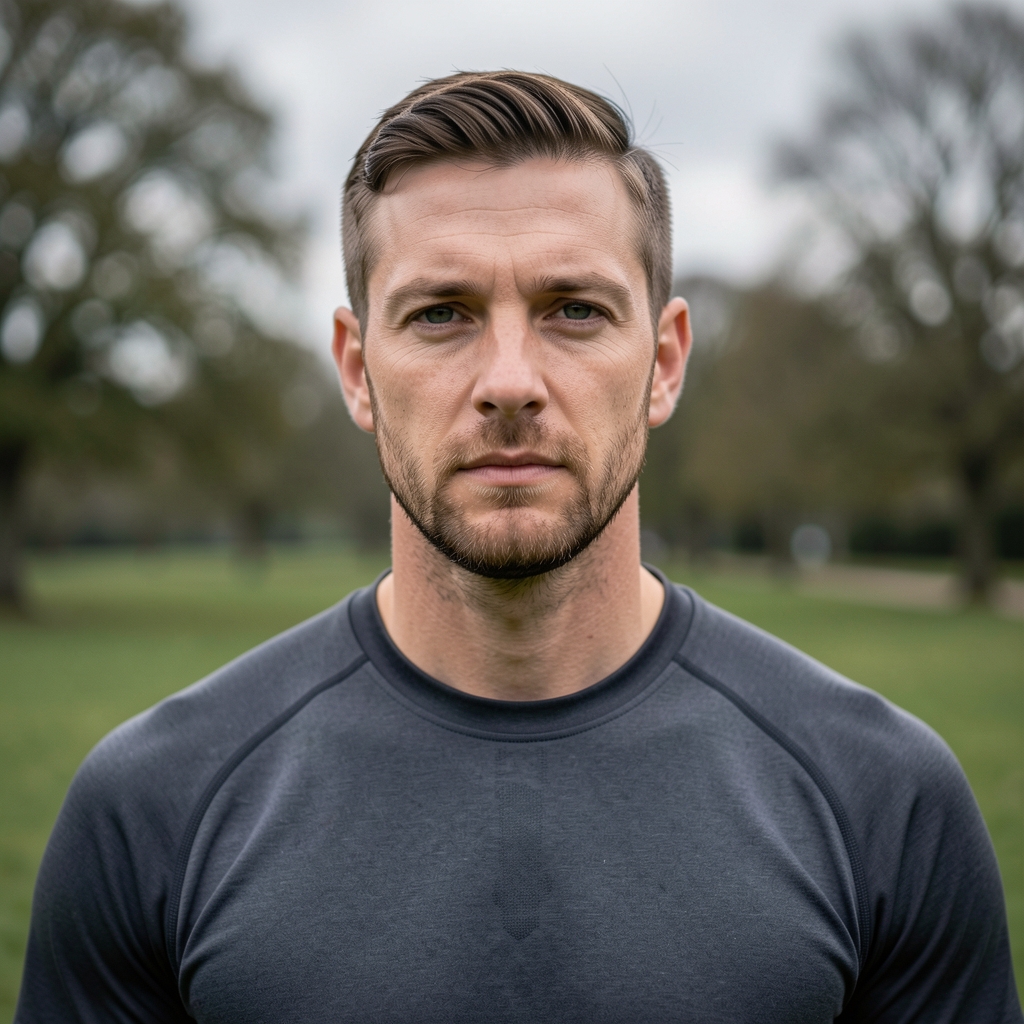
Tobias Marsden
Tobias has documented outdoor training routines across London parks for over six years. His editorial focus is on bodyweight progressions and the structural logic of no-equipment training plans. He holds a background in sport science journalism.
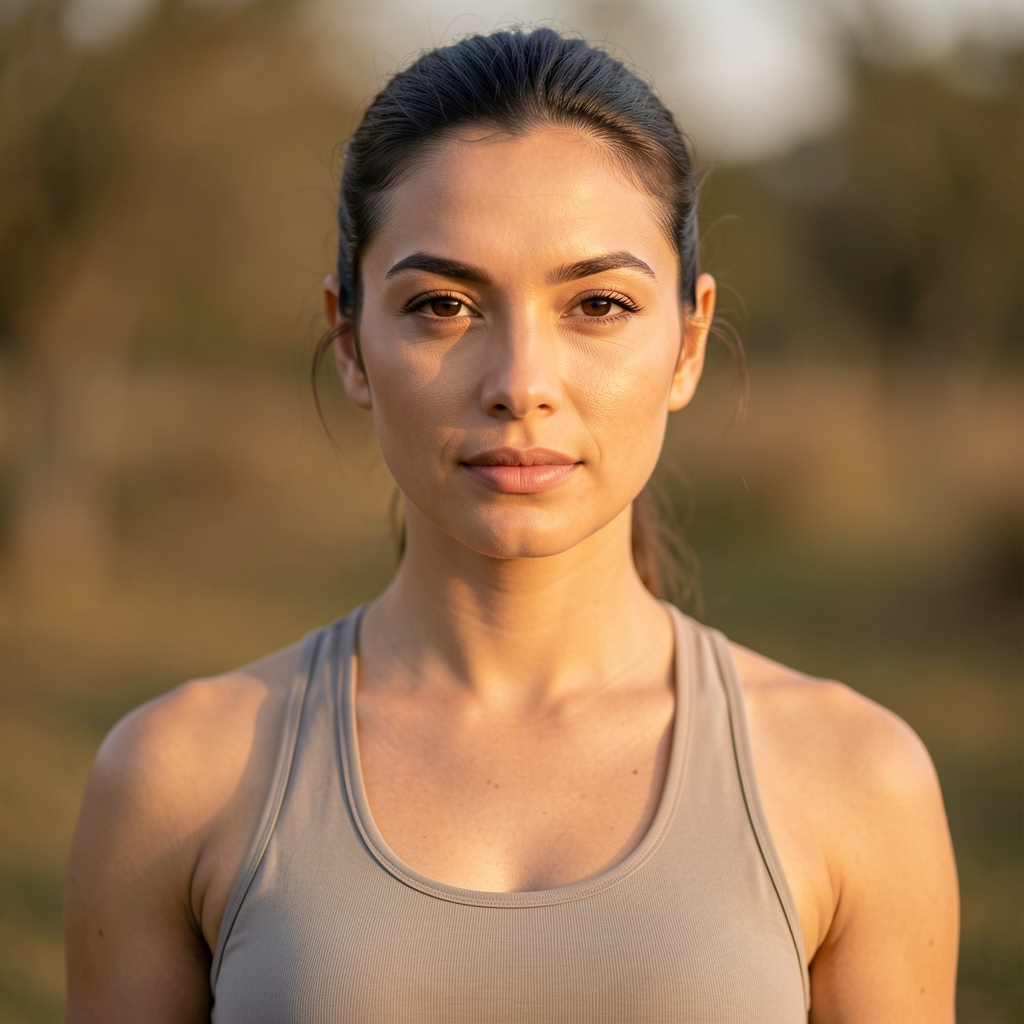
Eleanor Whitfield
Eleanor covers running protocols, stair workouts, and mobility work. Her writing draws on a background in exercise physiology research, translated into accessible editorial form for a general readership. She contributes two to three features per quarter.
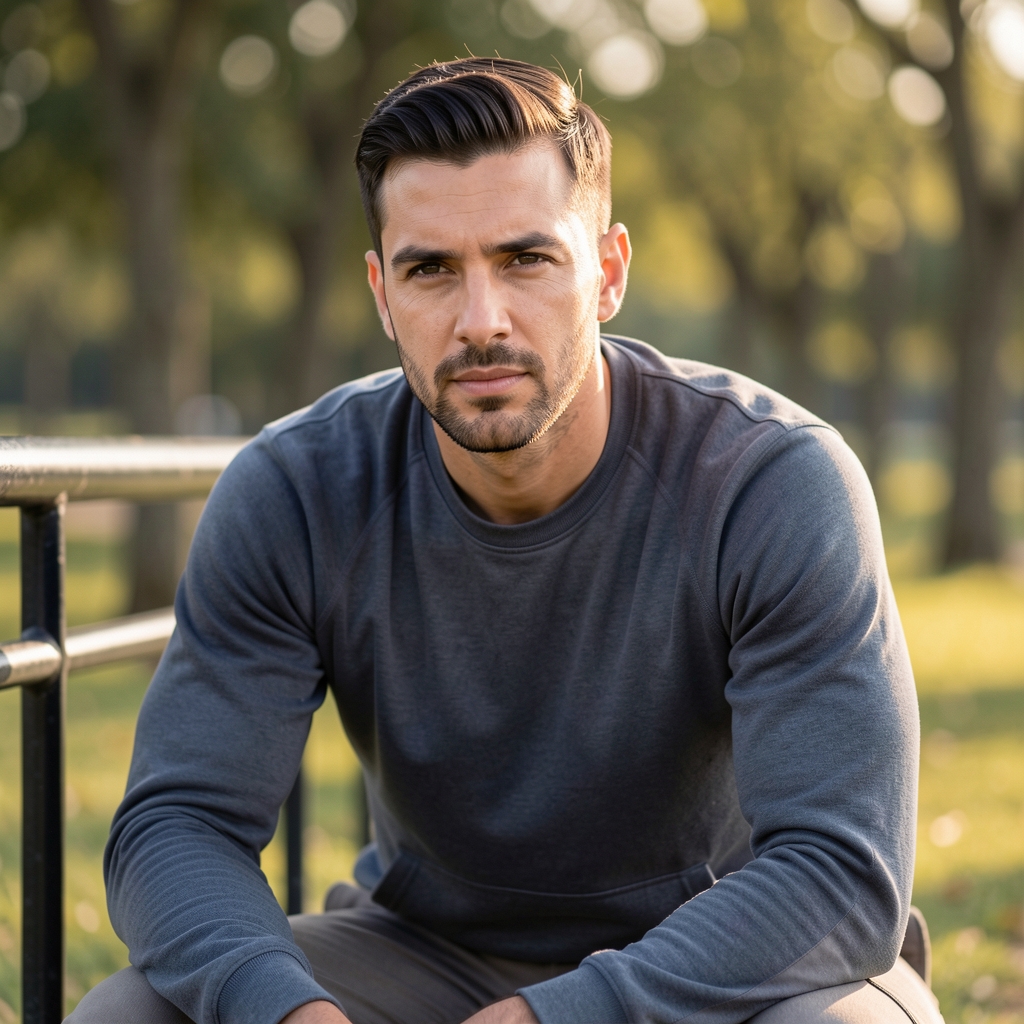
Jasper Ashcroft
Jasper specialises in squat variations and lower-body mobility. His contributions focus on functional movement patterns applicable to daily life and outdoor sport. He has contributed to several peer-reviewed sport science journals as a lay author.
The park has always been the most honest training environment. Nothing adjusts for you. The ground does not grade your effort.Tobias Marsden — Lead Editor, Eralonek Press
Publication Timeline
The first training observations recorded during outdoor sessions in Clissold Park and Victoria Park. Format at this stage: handwritten logs, later transcribed.
Push-up progression sequences and outdoor running protocols compiled into the first structured editorial pieces. Eleanor Whitfield joins as senior writer.
Two-editor review process introduced. Contributor guidelines published. Jasper Ashcroft joins as contributing writer covering squat variations and mobility work.
The publication formally registered as an independent editorial functioning with a London editorial address. Fixed publication schedule introduced: two features per month.
Expanded article range to include resistance band training, active commuting, and daily step-count documentation. Three editors, rotating guest contributors, no commercial partnerships.
Contributing and Enquiries
Contributor enquiries, editorial feedback, and general correspondence can be directed to the London office. The team reviews submissions on a rolling basis.