The plank is not, by its nature, a dynamic movement. It asks a man to stay still — to resist the forces operating on his body from the ground up. That quality of stillness is what makes the plank unusual among bodyweight exercises, and what makes outdoor surfaces such a revealing test of it.
What the Ground Reveals
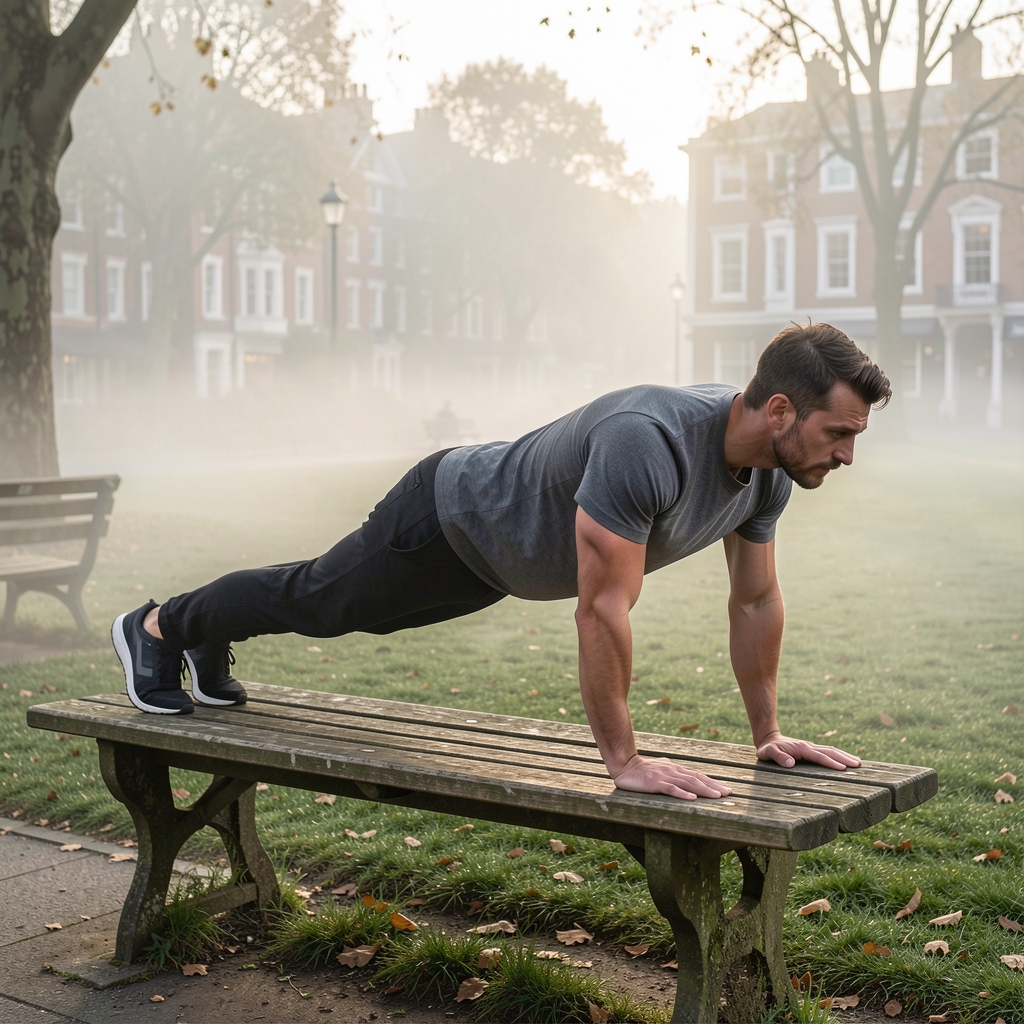
On a gym floor, the surface is flat, firm, and predictable. A plank performed on a gym mat is largely a closed-chain exercise: the body learns to resist gravity on a known substrate. Outdoors, that substrate changes. Grass compresses unevenly. Gravel shifts. A park bench is elevated, angled, and slightly springy under load. Each surface variation introduces micro-instability that the stabilising musculature must negotiate in real time.
Research in exercise science has examined the role of unstable surfaces in core activation, finding that surface instability consistently raises activation in the deeper stabilising muscles — the transversus abdominis and the lumbar multifidus — compared to flat-surface equivalents. The outdoor plank, performed on grass or on a slope, approximates this instability without the need for a specialist piece of equipment. The park provides it incidentally.
This is not to suggest that outdoor surfaces are superior to controlled training environments — only that they present a different kind of demand, one that translates well into functional movement patterns observed across everyday physical activity.
"The outdoor plank does not make the exercise harder in the conventional sense. It makes it more honest."
— Field observation, February 2026
Progressions Across the Plank Series
The plank series, as documented in this article, runs across six principal variations. Each is accessible in a standard public park without specialist equipment. The progression is not strictly linear — different variations stress different components of trunk stability — but the sequence below reflects a broadly ascending demand on body control.
-
01
Standard Forearm Plank on Grass
The foundational position. Elbows directly under shoulders, forearms flat to the ground. Grass introduces minor instability relative to a hard floor. -
02
Extended-Arm Plank on Gravel Path
Arms fully extended, hands on gravel. The shifting surface increases proprioceptive demand through the hands and wrists. -
03
Elevated Foot Plank on Park Bench
Feet elevated on a standard park bench seat, approximately 450mm height. The incline shifts load toward the upper body and challenges shoulder girdle stability. -
04
Single-Arm Plank on Flat Ground
One arm extended laterally, weight distributed through the remaining three contact points. Demands significant anti-rotation capacity. -
05
Suspended Plank on Climbing Frame Bar
Where a low horizontal bar exists in a playground structure, a suspended plank with straight arms and legs in line. High grip-strength demand added. -
06
Side Plank Variation with Hip Dip on Slope
Side plank performed on a slight grass slope, hip lowering through range. Adds lateral oblique demand and slope-angle instability simultaneously.
Duration, Frequency, and the Question of Failure
A common question in the documentation of bodyweight holds concerns optimal duration. The available research does not support the notion of a single correct duration for plank training — rather, it indicates that time under tension is most productively considered in relation to the quality of position maintained. A plank that collapses at the hips at the sixty-second mark has not been sustained for sixty seconds in any meaningful functional sense.
In practical field terms, this means that training to a predetermined time is a less reliable approach than training to a positional threshold. The hold ends not when a timer expires but when form noticeably degrades. This is harder to measure in isolation but produces more reliable adaptation over a rolling weekly programme.
Frequency across a seven-day period is a separate question. Most published exercise protocols for isometric core work suggest two to four sessions per week as sufficient for adaptation in recreational exercisers. Higher frequency may be appropriate for those progressing toward advanced variations such as the human flag, but for general outdoor fitness purposes, three structured sessions per week provides ample stimulus with adequate recovery between sessions.
Integrating the Series into a No-Equipment Park Session
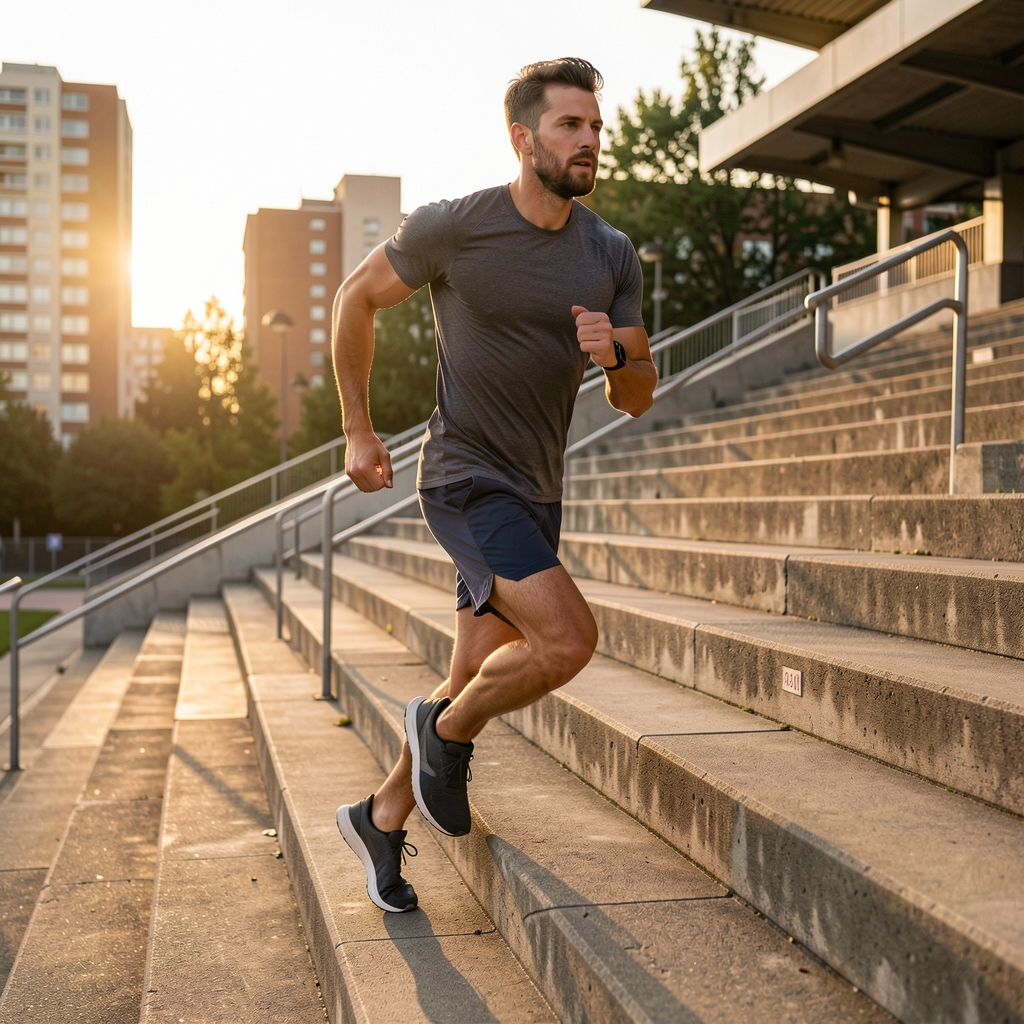
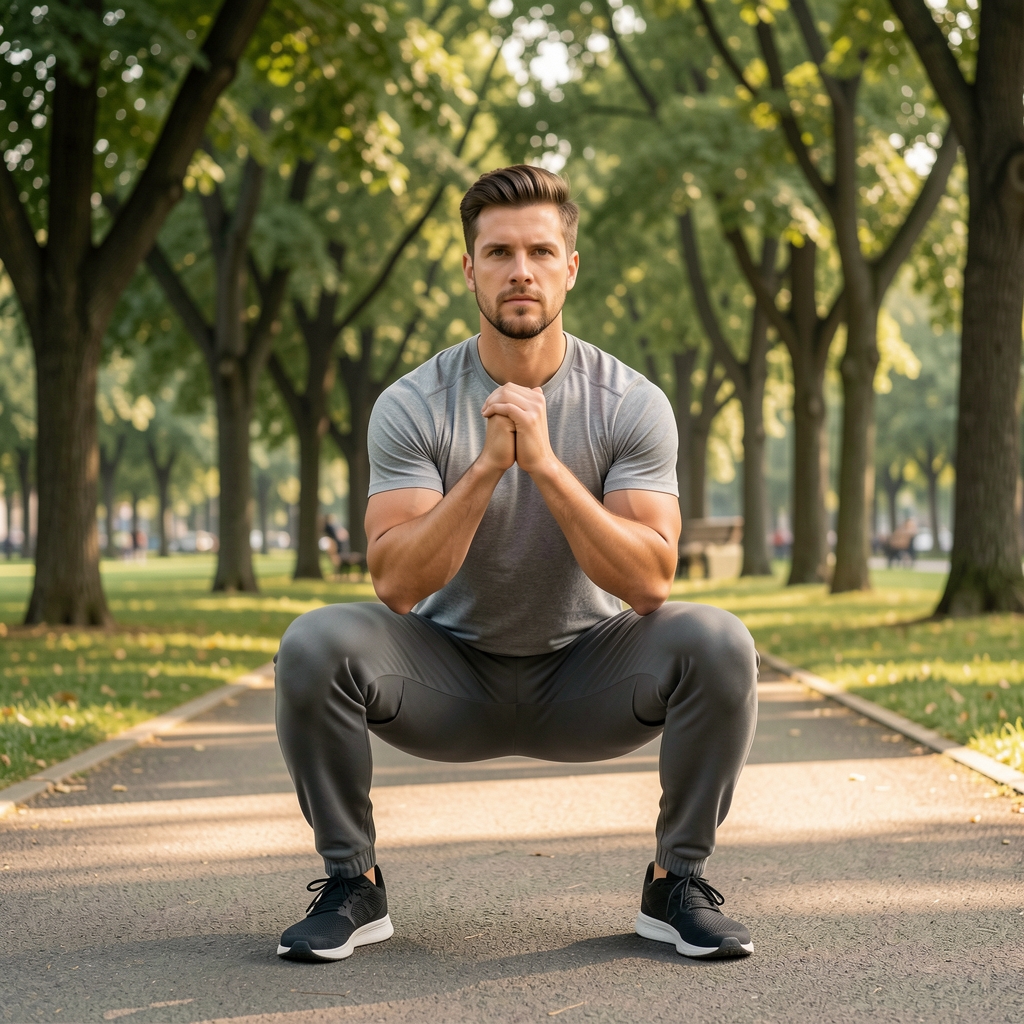
The plank series integrates efficiently into a broader no-equipment outdoor session. As an isometric exercise, it imposes minimal cardiovascular demand and lends itself to placement at the midpoint or end of a session, after dynamic movement work such as squat variations or sprint intervals. Placed at session end, it serves as a structured wind-down while still accumulating meaningful stabiliser volume.
A working structure for a forty-minute park session might allocate the first twenty-five minutes to dynamic movements — push-up progressions, squat variations, and a short sprint or stair interval — and the final fifteen minutes to two or three rounds of selected plank variations from the series. This approach allows the cardiovascular system to settle gradually while maintaining productive movement output through the session close.
The surface choices available in a typical London park — grass, gravel, tarmac paths, benches, and low climbing structures — provide sufficient variation to work through the full six-stage progression without relocating between sites. A circuit around a medium-sized park often passes all required surfaces within a five-minute walk.
Observations on the Plank in Cold Weather
England's climate presents a practical consideration that indoor training documentation seldom addresses: cold ground contact. Performing a forearm plank on frosted grass in January places different demands on the body's thermal regulation than an identical hold performed on a warm summer morning. The cold surface accelerates the cooling of the forearms and reduces proprioceptive sensitivity in the hands, which affects postural feedback during the hold.
Practically, this means that in winter conditions, a longer warm-up prior to plank work is advisable. Dynamic hip flexor and shoulder mobility drills performed before the first static hold prepare the relevant tissues for the demands of the hold and reduce the proprioceptive lag caused by cold extremities. Thin gloves maintain hand sensitivity better than bare skin in sub-five-degree conditions, without significantly altering grip mechanics.
These observations are drawn from field notes gathered across three winter months in public parks in the London EC1 area. The data is observational rather than experimental, but the patterns are consistent enough to warrant inclusion in an evidence-informed approach to year-round outdoor training.